

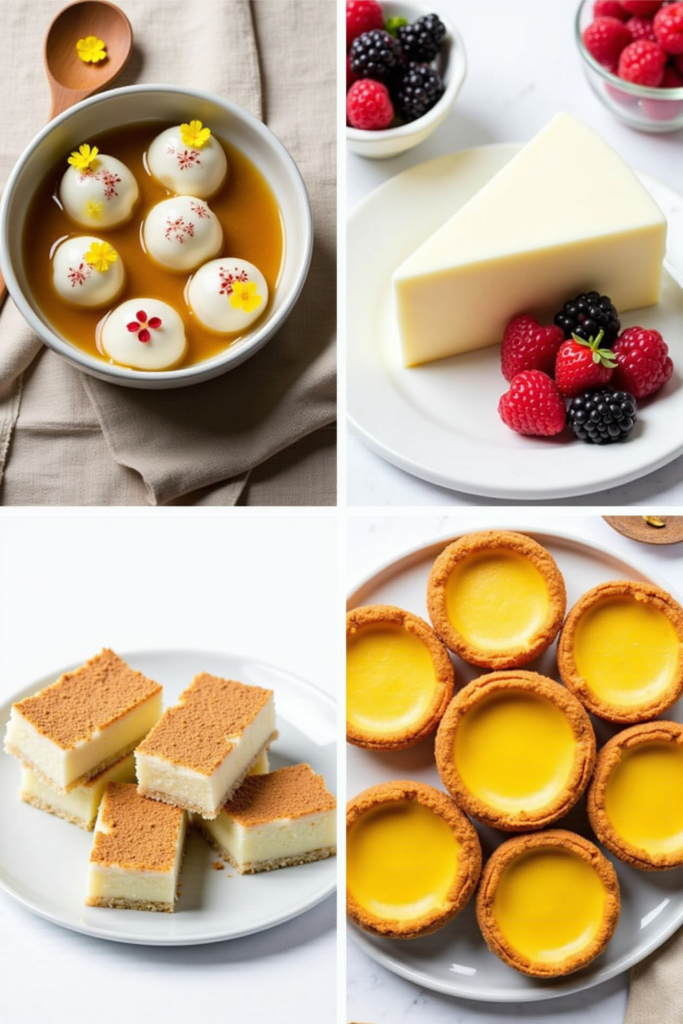

25+ Asian Desserts to Sweeten Your Everyday Moments
Introduction
Asian desserts are celebrated for their diverse flavors, stunning presentation, and unique use of ingredients like coconut milk, matcha, taro, sticky rice, and tropical fruits. Offering a delightful journey across cultures and culinary traditions, this curated collection features 25+ Asian desserts to sweeten your everyday moments—perfect for impressing guests or treating yourself to something extraordinary.
Why Make Asian Desserts?
The allure of Asian desserts lies in their ability to balance delicate flavors and vibrant textures. Whether you crave something creamy, chewy, fruity, or nutty, these treats are crowd-pleasers that introduce both comfort and adventure to any table. From quick weekday sweets to impressive party showstoppers, each dessert offers a new way to experience familiar flavors with an exotic twist.
Best Asian Desserts for Every Occasion
Below you’ll find handpicked favorites from across Asia. Each recipe is deliciously simple to prepare at home with accessible ingredients and straightforward instructions—perfect for casual snacking, afternoon tea, or a stunning finish to a special meal.
Ingredients
Here’s a starter pack of common ingredients used in many Asian desserts:
– Sweet glutinous rice flour (mochi, tang yuan)
– Coconut milk
– Red bean paste
– Tapioca pearls (boba, sago pudding)
– Matcha powder (green tea flavor)
– Black sesame seeds or paste
– Fresh mangoes, lychees, jackfruit, or durian
– Pandan leaves or pandan extract
– Condensed milk
– Palm sugar or brown sugar
– Lotus seeds or mung beans
– Shaved ice (for kakigori, bingsu, halo halo)
– Taro (taro paste, taro balls)
– Eggs (for custards, cakes)
– Asian-style flour blends (for cakes, pastries)
💡Meal Planning Tip: Save these recipes to instantly generate a combined shopping list sorted by store section. It’s a smart way to make sure you don’t overlook unique ingredients while planning your weekly grocery run!

25+ Must-Try Asian Desserts
- Mochi (Japan): Chewy rice cakes stuffed with sweet fillings like red bean paste or ice cream.
- Mango Sticky Rice (Thailand): Sweet coconut rice topped with ripe, juicy mango slices.
- Boba Milk Tea (Bubble Tea) (Taiwan): Creamy tea loaded with chewy tapioca pearls.
- Tang Yuan (China): Glutinous rice balls—often filled with black sesame or peanut—served in a sweet ginger syrup.
- Kakigori (Japan): Fluffy shaved ice with fruity syrups and condensed milk.
- Sesame Balls (Jian Dui) (China): Crispy fried rice flour balls filled with sweet bean paste and rolled in sesame seeds.
- Bingsu (Korea): Pillowy shaved milk ice with toppings like red beans, fruit, or matcha.
- Egg Tarts (Hong Kong/Macau): Buttery pastry crust with silky egg custard centers.
- Halo-Halo (Philippines): Colorful shaved ice sundae layered with jelly, fruit, beans, and evaporated milk.
- Pandan Cake (Southeast Asia): Light, fluffy sponge cake with bright green pandan flavor.
- Cendol (Malaysia/Indonesia): Shaved ice topped with pandan jelly noodles, palm sugar, and coconut milk.
- Red Bean Soup: Sweet and comforting, often served warm with glutinous rice balls.
- Taro Balls Dessert (Taiwan): Chewy taro and sweet potato balls in coconut milk or sweet syrup.
- Sago Pudding (various): Creamy tapioca pearls swimming in coconut or evaporated milk.
- Black Sesame Soup (China): Smooth, rich dessert soup with nutty flavor.
- Peanut and Sesame Tang Yuan (China): Glutinous rice balls filled with sweet peanut or sesame paste.
- Lychee Jelly: Refreshing, slightly floral jellies served chilled—perfect for summer.
- Durian Cake or Crepes (Southeast Asia): Rich, creamy dessert for adventurous eaters!
- Steamed Custard Buns (Nai Wong Bao) (China): Soft buns filled with sweet egg custard.
- Gulab Jamun (India): Fried milk balls soaked in fragrant syrup (South Asian classic).
- Mung Bean Cake (Vietnam): Tender, subtly sweet cakes pressed into pretty shapes.
- Japanese Cheesecake: Fluffy, jiggly, and lightly sweet—a unique take on classic cheesecake.
- Ice Cream Mochi (Japan): Ice cream encased in stretchy mochi dough.
- Sticky Rice Balls with Coconut (Vietnam): Bite-sized coconut treats dusted with sesame.
- Kulfi (India): Dense, creamy popsicles flavored with cardamom, pistachio, or rosewater.
- Almond Jelly (China): Silky, milky jelly often topped with fruit cocktail.
- Mango Pudding (Hong Kong): Creamy, fruity pudding made with fresh mango puree.
- Yoghurt Parfait with Asian Pear and Honey: A fusion favorite for breakfast or dessert.
Instructions (How to Choose and Prepare)
While specific recipes and steps vary, here are general tips for creating sensational Asian desserts:
- Source Quality Ingredients: Asian markets offer authentic specialty items like glutinous rice flour, pandan, or black sesame paste.
- Read the Recipe Fully: Many desserts feature multiple components (like toppings or fillings)—plan your prep accordingly.
- Prep Ahead: Some elements (like jelly, mochi, or puddings) set best when chilled overnight.
- Presentation Counts: Use fresh fruit, edible flowers, or a sprinkle of coconut for show-stopping visual impact.
- Balance Flavors: Many Asian desserts are less sweet than Western ones, allowing fragrant flavors and textures to shine.
Serving Suggestions for Maximum Enjoyment
Serve these treats as a vibrant dessert buffet, with a tea pairing, or alongside fresh tropical fruit. For a crowd, prepare smaller, bite-sized portions so everyone can sample multiple desserts. Setting up a DIY boba or mochi bar is also a hit for family gatherings or parties.
Nutritional Information and Serving Size
Most Asian desserts are lighter in fat and sugar compared to many Western baked goods, thanks to the use of fruits, beans, and dairy alternatives like coconut milk. Serving size and nutrition can vary, but enjoy in moderation for a sweet, satisfying treat.
Why These Asian Desserts Will Brighten Your Table (Recap)
With their harmonious blend of flavors, eye-catching colors, and easy adaptability for home cooks, these 25+ Asian desserts will sweeten your day, impress guests, and turn every bite into a celebration.
Weekly Meal Planning
This list isn’t just for special occasions! Many Asian desserts can be prepared in advance and enjoyed throughout the week. Save and schedule your favorite recipes to streamline dessert planning and generate a complete, organized shopping list that consolidates all essential ingredients.
Planning Benefits:
- Automatically track all needed ingredients for multiple Asian desserts
- Sorts your shopping list by grocery store department for efficiency
- Combines shared ingredients to prevent overbuying
- Simplifies prep and keeps your week sweetly organized
Pro tip: Use CookifyAI’s meal planner to see ingredient overlap and customize portion sizes or sweets for the week—perfect for seasonal celebrations or a daily pick-me-up.
Cook and Prep Times
Prep Time: 20-60 minutes (varies by recipe)
Cook Time: 10-40 minutes (dessert dependent)
Total Time: Most desserts can be completed within 1-2 hours, with some served best after a short chilling period.
Enjoy bringing global flair and sweetness to your table with these irresistible Asian desserts!
